
Festive Indulgence: How to Enjoy the Season Without the Aftermath


The festive season brings joy, connection, and—let's be honest—plenty of opportunities to indulge. Rich meals, celebratory drinks, sweet treats, and late nights are all part of the seasonal experience. But if you've ever woken up after a festive gathering feeling stiff, achy, bloated, and utterly exhausted, you know there's often a physical price to pay.
Here's the good news: enjoying the festive season doesn't mean abandoning your wellness. It's not about deprivation or rigid rules. Instead, it's about being strategic with your indulgences and having a solid recovery plan so you can genuinely enjoy celebrations without spending days recovering from them.
The Indulgence-Inflammation Connection
Before we dive into strategies, it's helpful to understand what's actually happening in your body when you indulge. This isn't about guilt or shame—it's about knowledge that empowers better choices.
Sugar Spikes: The 48-Hour Ripple Effect
When you consume high amounts of sugar—whether from desserts, cocktails, or rich sauces—your blood glucose spikes rapidly. This triggers an inflammatory response that can persist for 24-48 hours.
What you might notice:
Increased joint stiffness and achiness
Heightened pain sensitivity in existing problem areas
Brain fog and difficulty concentrating
Energy crashes and mood fluctuations
Increased water retention and puffiness
The inflammation isn't just "in your head"—it's measurable through blood markers like C-reactive protein (CRP) and interleukin-6 (IL-6), both of which increase significantly after high-sugar meals.
Alcohol Effects: More Than Just a Hangover
Alcohol's impact extends well beyond the familiar headache and nausea. Even moderate consumption affects your body in ways that can amplify pain and slow recovery:
Sleep disruption: While alcohol might make you drowsy initially, it significantly disrupts your sleep architecture. You spend less time in REM sleep (essential for mental recovery) and deep sleep (crucial for physical repair and muscle recovery).
Dehydration: Alcohol is a diuretic, meaning it increases fluid loss. Dehydration thickens the synovial fluid in your joints, contributing to stiffness, and reduces the cushioning effect of spinal discs, potentially increasing back pain.
Inflammation: Alcohol triggers inflammatory pathways in your body, particularly affecting your gut lining and liver. This systemic inflammation can manifest as generalized achiness and increased pain sensitivity.
Muscle recovery: Alcohol interferes with protein synthesis, the process your body uses to repair and build muscle tissue. If you're already dealing with muscle tension or injury, alcohol slows your healing.
Rich Foods: The Digestive-Musculoskeletal Connection
Festive foods tend to be higher in saturated fats, salt, and refined carbohydrates—a combination that can trigger digestive distress and, surprisingly, affect your musculoskeletal system.
The gut-pain connection:
Bloating and gas can create abdominal tension that refers pain to your lower back
Inflammatory foods can increase overall systemic inflammation, affecting joints and muscles
Poor digestion diverts blood flow and energy away from tissue repair
Food sensitivities (dairy, gluten, etc.) can trigger inflammatory responses that manifest as joint pain and stiffness
Dehydration: The Pain Amplifier
Between heated indoor spaces, alcohol consumption, and simply forgetting to drink water during busy celebrations, dehydration is common during the festive season. The consequences for pain and recovery are significant:
Increased pain sensitivity: Dehydration lowers your pain threshold, making existing discomfort feel worse
Muscle cramping: Inadequate hydration affects electrolyte balance, leading to cramps and spasms
Fatigue: Even mild dehydration (2% body water loss) significantly impairs physical and mental performance
Reduced healing: Your body needs adequate hydration for cellular repair and waste removal
Sleep Disruption: The Recovery Killer
Late nights, overstimulation, alcohol, rich foods, and stress all conspire to disrupt sleep quality during the festive season. This matters because:
Pain tolerance drops: Poor sleep significantly lowers your pain threshold; the same stimulus feels more painful when you're sleep-deprived
Healing slows: Deep sleep is when your body releases growth hormone and conducts the majority of tissue repair
Inflammation increases: Sleep deprivation triggers inflammatory pathways, creating a vicious cycle
Stress resilience decreases: Poor sleep reduces your ability to cope with both physical and emotional stressors
Your Strategic Indulgence Plan
Understanding the mechanisms is one thing; having a practical plan is another. Here's how to navigate festive celebrations strategically:
Before Events: Set Yourself Up for Success
What you do before an event significantly influences how you feel during and after. These aren't restrictive rules—they're protective strategies.
Protein base: The foundation
Eating a substantial, protein-rich meal before heading to a party serves multiple purposes:
Slows alcohol absorption, reducing its impact
Stabilizes blood sugar, preventing dramatic spikes and crashes
Reduces the likelihood of overeating less nutritious options
Provides sustained energy throughout the event
Try this: A meal with lean protein (chicken, fish, eggs, legumes), healthy fats (avocado, nuts, olive oil), and fiber-rich vegetables creates the ideal foundation.
Hydration prep: Start ahead
Don't wait until you're at the event to think about hydration. Drink extra water throughout the day before the celebration:
Aim for at least 2-3 liters of water during the day
Add a pinch of sea salt or electrolyte powder to support retention
Herbal teas count toward your hydration goals
Avoid excessive caffeine, which can contribute to dehydration
Movement boost: Prime your metabolism
Just 10 minutes of movement before an event helps:
Improve insulin sensitivity, helping your body manage blood sugar more effectively
Boost circulation, supporting better nutrient delivery and waste removal
Reduce stress and anxiety, helping you arrive feeling calm
Create a positive mindset around caring for your body
This isn't about "earning" your indulgence—it's about supporting your body's natural processes.
Stress management: Arrive calm
Rushing to events in a frazzled state amplifies the stress response, which compounds the inflammatory effects of indulgent foods and drinks. Build in buffer time, practice a few minutes of deep breathing before entering, and set realistic expectations for the evening.
During Celebrations: Mindful Enjoyment
The goal isn't perfection—it's making choices that allow you to enjoy yourself while minimizing negative consequences.
Mindful choices: Quality over quantity
Ask yourself: "Is this a special treat I'll genuinely enjoy, or just something that's available?"
Enjoy: Your grandmother's special recipe, the host's signature cocktail, the dessert everyone raves about
Skip: Generic crisps, mediocre wine, sweets you could have any day
This approach lets you fully savor genuine treats without mindlessly consuming everything available.
Water between: The one-to-one rule
For every alcoholic drink, have a full glass of water. This simple strategy:
Slows your alcohol consumption naturally
Maintains hydration throughout the evening
Gives you something to hold during social situations
Significantly reduces next-day symptoms
Make it easy: Order a glass of water with each drink, or alternate alcoholic drinks with sparkling water with lime.
Movement opportunities: Stay active
Look for natural opportunities to move:
Dance when music is playing
Offer to help with serving or clearing (gentle movement)
Take a brief walk outside for fresh air
Stand and mingle rather than sitting for extended periods
Movement helps your body process what you're consuming and prevents the stiffness that comes from prolonged sitting.
Timing awareness: Earlier is better
Your body processes food and alcohol more efficiently earlier in the day when your metabolism is more active. If you have a choice, afternoon celebrations tend to have less impact on sleep and recovery than late-night events.
When possible: Have your main indulgences earlier in the event, then switch to water and lighter options as the evening progresses.
Recovery Protocol: The Day After
How you treat your body after indulging matters just as much as what you do during the event.
Next day movement: Gentle, not punishing
Resist the urge to "punish" yourself with intense exercise. Instead, focus on gentle movement that supports recovery:
A 20-30 minute walk to boost circulation and mood
Gentle stretching or yoga to release tension
Light swimming if available
Easy cycling or other low-impact activity
The goal: Support your body's natural recovery processes, not add additional stress.
Rehydration: Priority number one
Your body needs extra fluids to process and eliminate what you consumed:
Aim for 3-4 liters of water the day after
Include herbal teas (ginger, peppermint, chamomile)
Add electrolytes if you consumed significant alcohol
Avoid excessive caffeine, which can worsen dehydration
Nutrient focus: Anti-inflammatory foods
Give your body the building blocks it needs to restore balance:
Prioritise:
Leafy greens (spinach, kale, rocket)
Colourful vegetables (peppers, tomatoes, beetroot)
Omega-3 rich foods (salmon, walnuts, flaxseeds)
Berries (blueberries, strawberries)
Turmeric and ginger (natural anti-inflammatories)
Bone broth (if you consume it)
Probiotic foods (yogurt, kefir, sauerkraut) to support gut recovery
Minimise:
Processed foods
Additional sugar
Heavy, greasy foods
Excessive caffeine
Sleep priority: Support healing
Your body needs quality sleep to complete its recovery processes. Make the next night's sleep a priority:
Aim for an earlier bedtime than usual
Create a cool, dark, quiet sleep environment
Avoid screens for at least an hour before bed
Consider a warm bath with Epsom salts to support muscle relaxation
Practice gentle breathing exercises to calm your nervous system
Stress relief: Self-compassion, not criticism
Perhaps most importantly, treat yourself with kindness. Self-criticism and guilt create stress, which triggers cortisol release and inflammation—exactly what you're trying to reduce.
Instead of: "I shouldn't have eaten that, I have no willpower, I've ruined everything"
Try: "I enjoyed celebrating with people I care about. Today I'm supporting my body's recovery. One indulgent evening doesn't define my health."
The Balance Truth: Patterns, Not Perfection
Here's the perspective that changes everything: one indulgent meal doesn't ruin your health, just like one healthy meal doesn't fix everything. Your body is remarkably resilient and designed to handle occasional indulgences.
What matters is patterns:
If 80-90% of your meals support your health, the occasional indulgence has minimal long-term impact
Strategic preparation and recovery dramatically reduce the negative effects of indulgence
Enjoying celebrations without guilt supports your mental and emotional wellbeing, which is equally important
Rigid restriction often leads to cycles of deprivation and overindulgence, which is harder on your body than balanced enjoyment
The festive season comes once a year. Approaching it with strategy rather than restriction allows you to genuinely enjoy it while maintaining your wellbeing.
This Week's Practice: The Strategic Indulgence Experiment
Rather than trying to implement everything at once, try this experiment:
Choose one festive event this week and apply the strategic indulgence approach:
Before: Eat a protein-rich meal, hydrate well, do 10 minutes of movement
During: Apply the mindful choices framework, drink water between alcoholic drinks, look for movement opportunities
After: Gentle movement the next day, prioritize hydration and anti-inflammatory foods, get quality sleep
Then notice: How do you feel compared to events where you didn't use these strategies? Do you recover faster? Feel less stiff and achy? Have better energy?
This isn't about perfection—it's about gathering data on what helps your body feel its best.
When You Need Professional Support
Sometimes, despite your best efforts, festive indulgences trigger flare-ups of existing conditions or create new discomfort. Professional support can help you recover faster and develop personalised strategies.
Consider seeking treatment if you're experiencing:
Persistent digestive discomfort or bloating
Increased joint pain or stiffness that isn't resolving
Significant sleep disruption affecting daily function
Ongoing fatigue despite adequate rest
Flare-ups of chronic pain conditions
At Laura Fishlock Osteopathy, we offer:
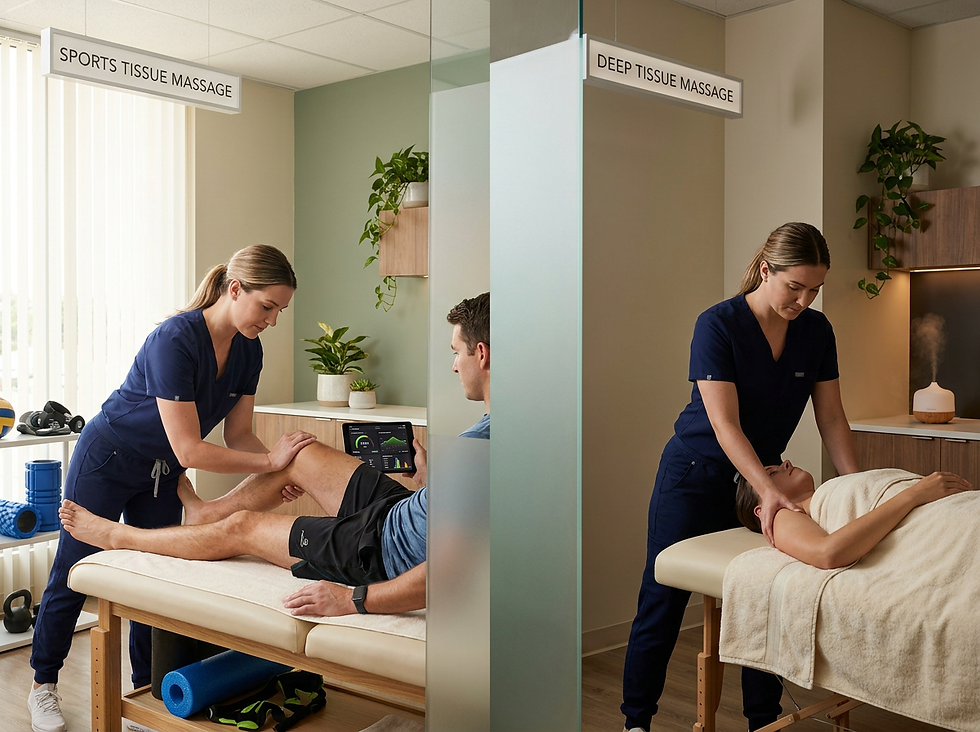
Hands-on treatment to release tension and improve mobility
Personalised nutrition guidance from our nutritionist Nina Weatherill
Stress management strategies with our hypnotherapist Hannah Hatherell
Practical, realistic wellness plans that fit your lifestyle
Support for managing chronic conditions during challenging seasons
Our integrated approach addresses not just symptoms, but the underlying factors affecting your wellbeing. We serve patients throughout Berkshire, Wiltshire, and Oxfordshire from our clinics in Newbury and Hungerford.
Enjoy the Season, Protect Your Wellbeing
The festive season should be a time of joy, connection, and celebration—not a period you have to "survive" or spend weeks recovering from. With strategic preparation, mindful choices, and solid recovery practices, you can genuinely enjoy festive indulgences while maintaining your wellbeing.
Remember: wellness isn't about perfection or deprivation. It's about having the knowledge and tools to make choices that support how you want to feel, both during celebrations and in the days that follow.
Ready to develop your personalised festive wellness strategy? Contact us at 07733201225 or info@laurafishlockosteopathy.co.uk to book an appointment at our Newbury or Hungerford clinic. Let's help you navigate the season feeling your best.
About the Author
Laura Fishlock is a registered osteopath and clinic director of Laura Fishlock Osteopathy, with clinics in Newbury and Hungerford serving Berkshire, Wiltshire, and Oxfordshire. Laura's approach integrates hands-on osteopathic treatment with lifestyle medicine, helping patients understand how daily choices affect their physical wellbeing. Working alongside nutritionist Nina Weatherill and hypnotherapist Hannah Hatherell, Laura provides comprehensive support for patients seeking to maintain wellness while fully enjoying life's celebrations.


Comments