

Cranial Osteopathy Versus Craniosacral Therapy

A gentle treatment can look deceptively simple: you may be resting fully clothed while a practitioner places quiet, attentive hands around your head, neck, spine or pelvis. Yet cranial osteopathy versus craniosacral therapy is not simply a question of two names for the same experience. The approaches overlap in their light touch and whole-person outlook, but they differ in training, professional regulation and the way a practitioner may assess and plan your care.
For someone living with persistent tension, feeling physically guarded after a demanding period, or wanting support alongside a wider mobility plan, understanding those differences can make choosing a treatment feel much less uncertain.
What cranial osteopathy involves
Cranial osteopathy is a form of osteopathic practice. An osteopath uses highly developed palpation - their sense of touch - to assess how different areas of the body are moving and relating to one another. Treatment is usually very gentle, often involving the head, face, jaw, neck, spine, sacrum and other areas that may be contributing to discomfort or restricted movement.
Despite its name, cranial osteopathy is not solely focused on the skull. The osteopathic principle is that the body works as an interconnected whole. A cranial osteopath may consider how an old ankle injury, a stiff upper back, jaw tension, breathing habits, workload or posture could be influencing the way you move and feel now.
In the UK, anyone using the title osteopath must be registered with the General Osteopathic Council. Their training includes anatomy, physiology, clinical examination, recognising when symptoms need medical assessment and adapting care to the individual. That wider clinical framework is often a significant factor for people deciding which approach feels right for them.
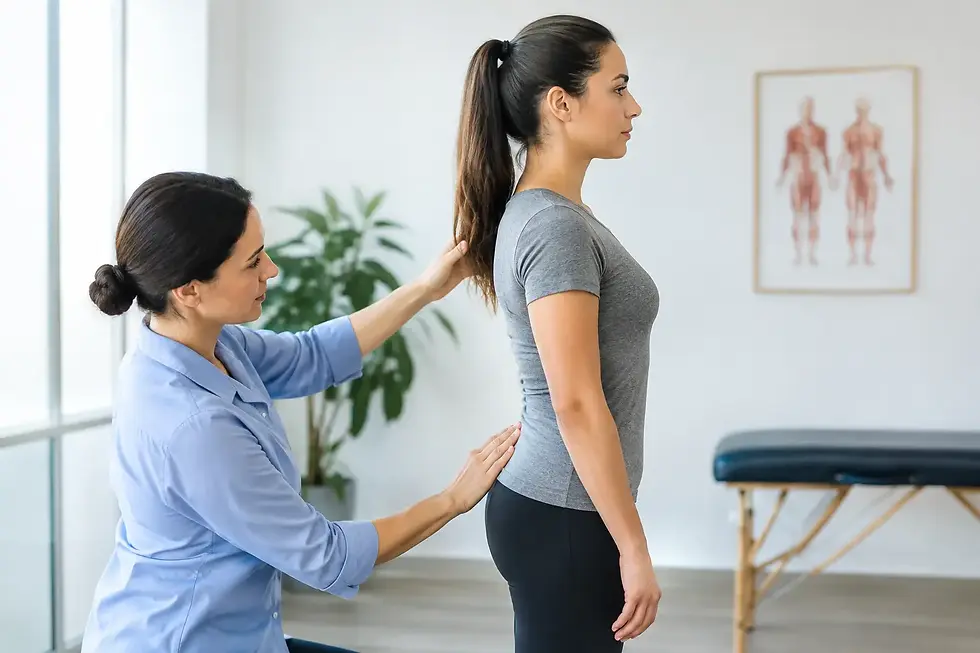
A consultation should begin with a conversation about your health, daily activities, concerns and goals. Depending on your needs, the practitioner may assess posture, movement and areas of tension before using cranial techniques as part of a personalised plan. This can also include practical guidance, rehabilitation exercises, movement support or referral onwards where appropriate.
What is craniosacral therapy?
Craniosacral therapy is a complementary therapy that also uses light, still contact. Practitioners commonly work around the head, spine and sacrum, while also placing hands on other parts of the body. Sessions are typically unhurried and quiet, with the intention of supporting relaxation, body awareness and a sense of ease.
Its theory includes attention to subtle rhythms and restrictions within the craniosacral system. People’s experiences vary: some notice a deep sense of calm or release during a session, while others notice more gradual changes in how settled, comfortable or connected to their body they feel. It is not necessary to feel dramatic sensations for a session to be worthwhile.
Craniosacral therapists come from a range of professional backgrounds. Some are also osteopaths, physiotherapists, massage therapists or other regulated healthcare professionals; others train specifically in craniosacral therapy. Training routes and professional memberships can vary, so it is sensible to ask about a practitioner’s qualifications, experience and approach before booking.
Cranial osteopathy versus craniosacral therapy: the key differences
The clearest distinction is professional scope. Cranial osteopathy is delivered by a registered osteopath, whose education covers osteopathic diagnosis, clinical reasoning and musculoskeletal care. Craniosacral therapy is generally offered as a complementary wellbeing practice, and the title itself is not regulated in the same way in the UK.
There is also a difference in the starting point for treatment. An osteopath will usually make a broader assessment of your symptoms, movement and health history, then decide whether cranial techniques are appropriate within an osteopathic treatment plan. A craniosacral therapist may place greater emphasis on quiet listening through touch, relaxation and the client’s felt experience during the session.
That said, the boundary is not always sharp. Both may use a calm environment, gentle manual contact and thoughtful conversation. Both may appeal to people who find more forceful hands-on techniques unsuitable or simply prefer a quieter pace. Your individual practitioner, their training and how they communicate with you often matter as much as the label on the door.
Which approach may suit you?
Cranial osteopathy may be a good fit if you would like a regulated osteopathic assessment alongside gentle treatment. It can be particularly relevant when you are seeking support for musculoskeletal discomfort, restricted movement, postural strain or recovery after an injury, and want the option of hands-on care combined with advice on movement and everyday habits.
Craniosacral therapy may suit you if your priority is a deeply restful, non-invasive session focused on settling your nervous system and improving your awareness of physical tension. Some people choose it during periods of stress, when they feel overstimulated, or as part of a broader self-care routine.
Neither choice has to be permanent. Your needs may change over time. You might initially want a detailed osteopathic assessment because pain or reduced mobility is getting in the way of work, sleep or exercise. Later, you may value craniosacral sessions as a calming complement to your movement practice, massage, clinical yoga or health coaching.
The most useful question is not, “Which treatment is best?” but, “What support do I need right now?” Be clear about what you hope will improve, whether that is moving more freely, feeling less tense, returning to activity with confidence or creating more space to rest and recover.
What a good first appointment should feel like
You should not feel pressured to accept a treatment you do not understand. A good practitioner will explain their approach in plain language, invite questions and gain your consent before touching you. They should be happy to adjust pressure, positioning and pace, particularly if you are sensitive to touch, feeling anxious or managing a complex health history.
For cranial osteopathy, expect a proper case history and assessment. For craniosacral therapy, expect a discussion of your aims, relevant health information and what the session will involve. In either setting, you remain in control: you can ask to pause, change position or stop at any point.
It is also worth being realistic about outcomes. Gentle therapy can be a valuable part of a personalised wellbeing plan, but it is not a substitute for urgent medical care, diagnosis or prescribed treatment. A responsible practitioner will encourage you to contact your GP, pharmacist, NHS 111 or emergency services when symptoms need prompt medical attention.
Seek urgent medical advice for sudden severe headache, new weakness or numbness, confusion, fainting, significant head injury, chest pain, unexplained breathlessness, or sudden changes to speech, vision or balance. These symptoms need medical assessment rather than a complementary therapy appointment.
Making your decision with confidence
Before booking, consider asking how the practitioner was trained, whether they are registered with a professional body, what a first session includes and how they decide on a treatment plan. You can also ask whether they work alongside exercises, rehabilitation or other forms of support if your goal is to build lasting physical resilience rather than rely on appointments alone.
At Laura Fishlock Osteopathy, care is shaped around your experience, your goals and the demands of your day-to-day life. For some people, that means gentle cranial osteopathy within a wider plan to restore movement and confidence. For others, craniosacral therapy offers a quieter space to reset and reconnect with their body.
The right choice is the one that leaves you feeling heard, informed and supported - with a plan that makes sense for where you are now and where you would like your wellbeing to take you.


Comments