

Newbury Osteopathy Clinic for Lasting Mobility

A stiff neck that makes reversing the car uncomfortable. A back that objects after a day at the desk. A recurring sporting niggle that changes the way you run, sleep or carry the shopping. These are the everyday frustrations that often lead people to look for a Newbury osteopathy clinic - not simply for a quick fix, but for a clearer route back to moving with confidence.
Osteopathy is a hands-on approach to supporting the body’s structure, movement and comfort. At its best, it looks beyond the one painful area. Your symptoms matter, but so do the routines, previous injuries, work demands, stress levels and movement habits that may be contributing to them. This wider view can be particularly valuable when discomfort has been lingering, returning or gradually limiting the things you enjoy.
What to expect from a Newbury osteopathy clinic
Your first appointment should feel like a conversation, not a conveyor belt. A practitioner will take time to understand what has brought you in, when the problem began, what makes it better or worse, and how it is affecting your daily life. This may include questions about previous injuries, medical history, work, exercise, sleep and the goals that matter most to you.
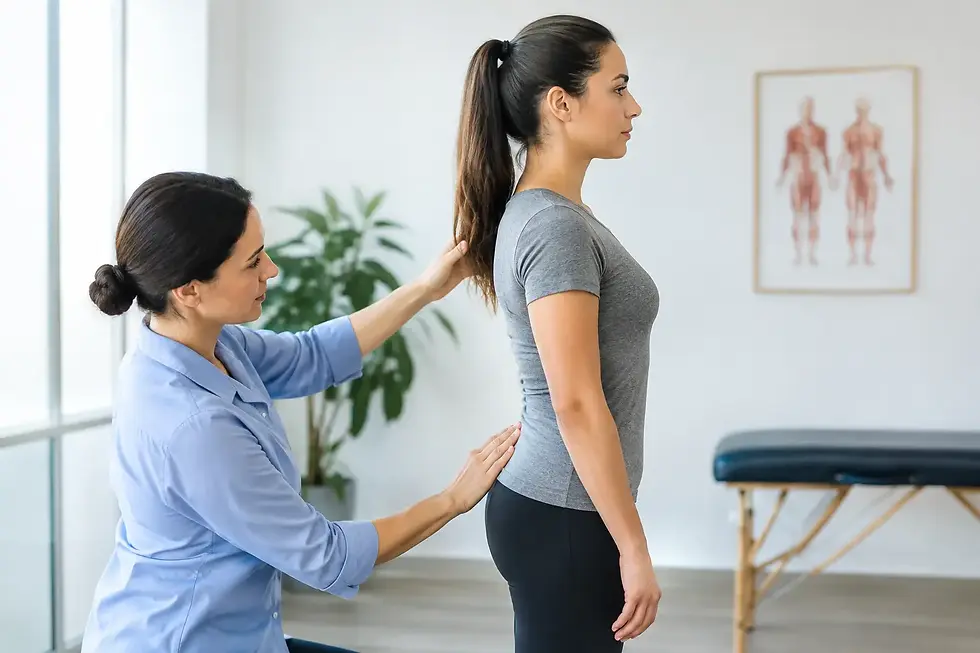
Assessment usually involves observing how you stand and move, alongside gentle hands-on examination where appropriate. The aim is to build a picture of how your body is functioning as a whole. For example, shoulder pain may be influenced by neck movement, posture at a workstation, an old wrist injury or the way you train at the gym. That does not mean every symptom has one simple cause. It means your care should be guided by careful assessment rather than assumption.
If osteopathic treatment is suitable, your plan may include techniques such as joint mobilisation, soft-tissue work and gentle stretching. You should also receive an explanation of what is being done and why. Good care is collaborative: you can ask questions, share preferences and understand the options before moving forward.
Treatment is only one part of progress
Hands-on treatment can help reduce tension, improve comfort and make movement feel easier for many people. Yet lasting progress often depends on what happens between appointments as well. That is why a personalised plan may include manageable movement advice, simple rehabilitation exercises or changes to everyday habits.
The right recommendation is rarely the most complicated one. It might be a way to break up long periods of sitting, a few movements to restore confidence after an injury, or guidance on building back into training without doing too much too soon. Small, consistent changes can be more useful than an ambitious routine that is impossible to maintain.
This approach also gives you a more active role in your recovery. Rather than feeling dependent on appointments whenever discomfort returns, you can learn what your body responds to, what aggravates it and how to support it with greater confidence.
When pain keeps coming back
Recurring discomfort can be discouraging, especially if it seems to settle briefly before returning. Sometimes the issue is a repeated strain from work, sport or caring responsibilities. Sometimes it is linked to reduced movement, a change in activity levels or a period of heightened stress and poor sleep. Often, there is more than one factor.
A useful osteopathic plan acknowledges this reality. It may focus first on helping you become more comfortable, then on improving mobility, strength, balance or tolerance for the activities that matter to you. The pace should fit your circumstances. Someone preparing for a race will need different guidance from someone whose priority is getting through a full working day with less restriction.
It is also sensible to be realistic. Bodies do not always follow a neat timetable, particularly after a longstanding problem or injury. Progress may come in stages, and your plan should be reviewed as your symptoms, confidence and capacity change.
Choosing care that fits your life
Convenience matters when you are trying to maintain momentum. If you work full time, have family responsibilities or train around a busy schedule, access to daytime, evening or weekend appointments can make it easier to prioritise your health. Regular support is more achievable when it works around real life.
It is equally important to choose a practitioner who listens. You should feel able to explain your concerns without being rushed, whether you are new to osteopathy or have tried several approaches before. Clear communication is particularly valuable if you are nervous about hands-on treatment, unsure what movement is safe, or simply want straightforward advice without jargon.
For some people, an integrated clinic offers an added benefit. Osteopathy may sit alongside sports and remedial massage, rehabilitation and movement therapies, clinical yoga, cranial osteopathy, craniosacral therapy, nutrition or health coaching. These services are not interchangeable, and not everyone needs more than one approach. However, having a wider range of support can make it easier to shape care around the person rather than forcing every concern into a single treatment route.
Support for active people and busy bodies
You do not need to be an elite athlete to benefit from thoughtful support around activity. Gardening, walking the dog, lifting children, cycling to work and weekend football all place demands on the body. When movement starts to feel restricted or less reliable, people often respond by avoiding activity altogether. While a short period of rest can sometimes be appropriate, prolonged avoidance may reduce confidence and make returning feel harder.
A tailored approach can help you understand how to continue moving within your current capacity. This might mean adjusting training load, improving recovery habits, addressing mobility restrictions or introducing strength and control work gradually. The goal is not perfection. It is helping you do more of what matters to you with greater ease and less apprehension.
For desk-based workers, the conversation is often different. Hours spent in one position can leave the neck, shoulders, back and hips feeling tight or tired. There is no single ‘perfect posture’ to hold all day. More often, the body benefits from variation: changing position, standing up regularly, moving between tasks and building general strength and mobility over time.
A calm, individual approach to care
Pain and physical tension can affect far more than movement. They can make sleep less restful, shorten your patience and take enjoyment out of ordinary plans. Equally, demanding periods can leave the body feeling more guarded and less able to recover. A caring clinic considers these connections without reducing every physical problem to stress.
Gentle approaches such as cranial osteopathy or craniosacral therapy may be considered where appropriate, particularly for people who prefer a lighter touch. The key is that the approach is explained clearly and adapted to your comfort. You should never feel pressured into treatment that does not feel right for you.
At Laura Fishlock Osteopathy, care is centred on focused assessment, hands-on support and practical guidance that helps you regain control of your body. Whether your priority is returning to sport, working more comfortably, moving more freely or feeling less held back by persistent aches, the starting point is understanding what your body needs now.
When to seek additional medical advice
Osteopathy can be a helpful option for many musculoskeletal concerns, but it is not the right pathway for every symptom. A responsible practitioner will recognise when further medical assessment is needed and advise you accordingly. Seek urgent medical help for symptoms such as sudden severe pain following a significant injury, chest pain, unexplained weakness, loss of bladder or bowel control, or numbness around the groin or inner thighs.
For less urgent concerns, it is still worth mentioning any unexplained changes, persistent worsening symptoms or relevant medical conditions during your appointment. Open information helps ensure your care is appropriate and safe.
You do not have to wait until discomfort takes over your routine before asking for support. A well-timed appointment can be a positive first step towards easier movement, better understanding and a body that feels more ready for the life you want to lead.


Comments