

What Does Integrated Pain Care Look Like?

A stiff neck that returns after a busy week, back pain that makes a long car journey daunting, or a sporting niggle that changes the way you move can affect far more than one part of the body. Integrated pain care recognises this. Rather than viewing discomfort as an isolated problem to be managed in a single appointment, it brings together hands-on care, movement, lifestyle guidance and support for the nervous system to help you regain confidence in your body.
For many people, the real goal is not simply to feel better for a day or two. It is to walk the dog comfortably, concentrate at work without constant tension, return to exercise with greater ease, sleep more soundly, or play with children and grandchildren without holding back. A personalised, joined-up approach makes space for those goals.
Integrated pain care looks beyond the painful area
Pain can begin after an obvious event, such as lifting awkwardly, a fall or a change in training. Sometimes, however, it builds gradually. Hours at a desk, disrupted sleep, stress, reduced activity, an old injury or repeated movements may all influence how your body feels and functions.
This does not mean that every ache has one hidden cause, or that pain is somehow “all in the mind”. It means the experience of pain is individual. Your joints, muscles, movement habits, energy levels, stress response and day-to-day demands can all matter. Understanding that wider picture can make care more relevant and more sustainable.
An integrated approach starts with listening carefully. What makes symptoms better or worse? When did they begin? How are they affecting work, rest, sport or family life? What have you already tried? These details help shape a plan around you, rather than fitting you into a standard set of exercises or treatments.
Hands-on treatment as part of a wider plan
Osteopathic care may use gentle hands-on techniques to assess areas of tension, restriction and movement in the body. For some people, this can be a useful way to ease discomfort, improve movement and create a more comfortable starting point for rehabilitation.
But hands-on treatment alone is rarely the whole answer for persistent or recurring issues. Relief can be valuable, especially when pain has left you guarded or apprehensive about moving. The next step is to help your body make practical use of that improved comfort through appropriate movement, better pacing and changes that fit your life.
That might mean exploring how you sit during a demanding working day, adapting a return to running, improving mobility around the hips and upper back, or learning how to lift and carry with more confidence. The right focus depends on your assessment, your aims and what your body is ready for.
Movement turns progress into everyday confidence
When something hurts, avoiding movement can feel sensible. In the short term, rest may be appropriate after a flare-up or injury. Yet prolonged avoidance can also leave muscles deconditioned, joints feeling stiffer and everyday tasks seeming more threatening than they once did.
Corrective movement and rehabilitation are not about pushing through pain or chasing perfect posture. They are about finding a manageable route back to the activities that matter to you. A good plan meets you at your current level, whether that is a few gentle movements between meetings or a structured programme supporting a return to sport.
Clinical yoga, guided exercise and movement-based rehabilitation can support strength, balance, flexibility and body awareness. They also give you tools to use between appointments. Progress is often built through small, consistent actions: changing position regularly, gradually increasing a walk, restoring control after an injury, or giving your body a calmer way to recover after activity.
There is no single exercise that suits everyone with back, neck or joint pain. The best choice depends on your symptoms, previous injuries, confidence, general health and goals. A movement plan should be adjusted as you respond, not treated as a test you either pass or fail.
Stress and the nervous system deserve attention too
It is common to notice that pain feels worse during periods of poor sleep, high pressure or emotional strain. This is not a personal failing. When the nervous system is under sustained demand, the body may feel more tense, sensitive or slow to recover.
Integrated care can acknowledge this without dismissing physical symptoms. Gentle craniosacral approaches, relaxation-focused work, breathing strategies, hypnotherapy and supportive lifestyle conversations may help some people feel calmer and better able to manage the pressures surrounding pain. They sit alongside, rather than replace, practical physical care.
For a person whose jaw and shoulders tighten during stressful deadlines, for example, soft-tissue work may provide welcome relief while movement, sleep routines and nervous-system regulation support longer-term change. For someone recovering from a sporting setback, the focus may be more strongly on graded strength, mobility and confidence. The plan should reflect the person, not the label attached to their pain.
What a personalised plan may include
A coordinated plan does not require every available therapy. More is not always better. It means choosing the support that is most likely to be useful at that point in your journey and reviewing it honestly as things change.
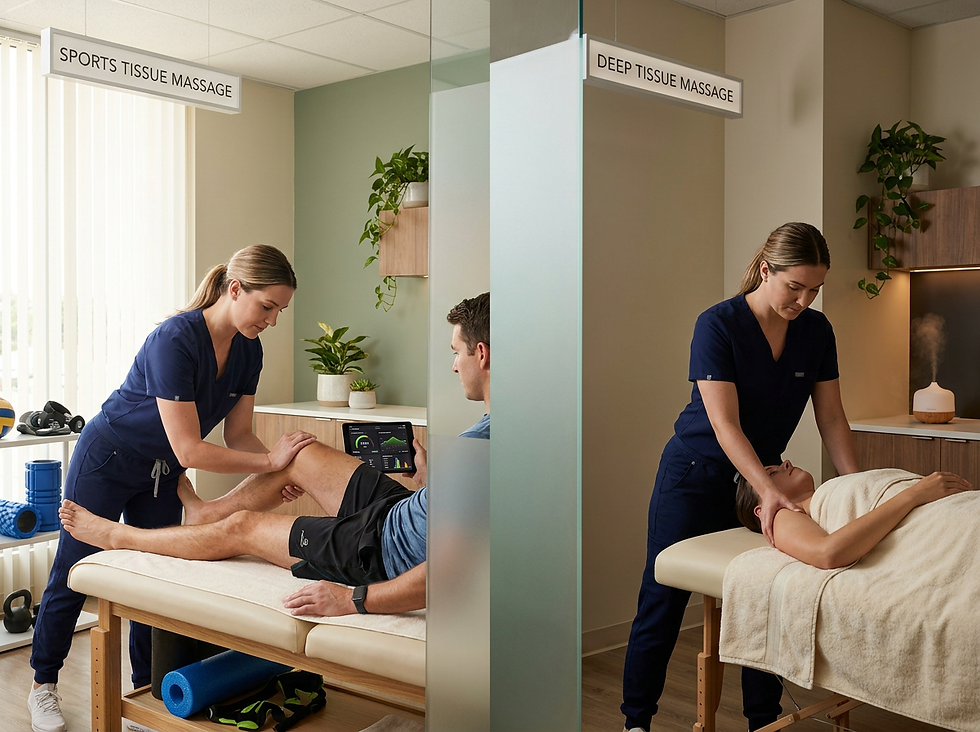
Your care may combine osteopathic assessment and manual treatment with massage for muscular tension, rehabilitation exercises, clinical yoga or guidance around daily habits. Where appropriate, nutritional support, health coaching or hypnotherapy can complement physical care by helping you address energy, routines, recovery and emotional wellbeing.
The value lies in communication and clarity. You should understand what is being suggested, why it may help, what you can do between sessions and how progress will be reviewed. You should also feel able to say if something is not working, does not fit your routine or leaves you uncertain.
A useful plan usually includes realistic markers of progress. Pain levels can be one measure, but they are not the only one. You may notice that you can sit through a meeting more comfortably, turn your head more freely when driving, climb stairs with less hesitation, recover more readily after exercise or feel less fearful of a familiar movement. These changes matter because they bring greater freedom back into daily life.
When a joined-up approach is especially helpful
Integrated pain care can be particularly valuable when symptoms keep returning, when more than one area feels affected, or when pain has begun to influence sleep, mood, activity and confidence. It can also suit people who want to understand their body rather than rely solely on short-term relief.
It is equally relevant for prevention and resilience. If you are active, regular movement support and recovery-focused care may help you respond earlier to changes in mobility or training load. If your work is sedentary or physically demanding, small adjustments can reduce the build-up of tension that often goes unnoticed until it becomes limiting.
There are times when hands-on care and rehabilitation are not the right first step. New severe pain, symptoms following significant trauma, unexplained changes in general health, or symptoms such as numbness, weakness or changes in bladder or bowel function require prompt medical assessment. A responsible practitioner will screen for concerns, work within their scope and encourage onward support when needed.
Your role matters in integrated pain care
The practitioner brings clinical skill, careful observation and guidance. You bring your lived experience of your body, your priorities and feedback about what is changing. This partnership is central to care that feels empowering rather than passive.
You do not need to arrive knowing exactly what is wrong or which therapy you need. You only need a clear starting point: what is troubling you, what you would like to do more easily and what has made that difficult. From there, a tailored plan can take shape at a pace that feels realistic.
At Laura Fishlock Osteopathy, care is designed to help people in Hungerford, Newbury and the surrounding area feel heard, supported and better equipped to move forwards. The aim is not to promise a quick fix, but to provide focused care and practical tools that support your journey towards greater comfort, mobility and resilience.
If pain or restricted movement has begun to shrink your daily life, seeking thoughtful support can be a positive first step. With the right guidance and a plan built around you, it is possible to start rebuilding trust in your body one manageable movement at a time.


Comments