

Pain Management That Helps You Move With Ease

Pain has a way of shrinking everyday life. A stiff back can make the school run feel daunting, a sore shoulder can interrupt sleep, and recurring discomfort may make you think twice before gardening, exercising or simply sitting through a day at work. Effective pain management is not about pretending the problem is not there. It is about understanding what is contributing to your discomfort and building a realistic route back to easier, more confident movement.
For many people, the most helpful approach combines attentive hands-on care with practical changes that fit their body, routine and goals. That might mean restoring movement after an injury, addressing the strain of long hours at a desk, or finding ways to manage persistent tension without allowing it to dictate every decision.
Pain management starts with the whole picture
Pain is personal. Two people can have similar symptoms on paper yet need very different support. Your work, sleep, stress levels, exercise habits, previous injuries and daily demands can all shape how your body feels and functions.
A thoughtful consultation looks beyond the place that hurts. If your neck feels tight, for example, it may be useful to consider your workstation, breathing patterns, shoulder movement, rest, recent activity changes and the way you hold tension through a busy day. This does not mean every ache has one simple cause. It means your care should be curious enough to look for the patterns that matter to you.
At Laura Fishlock Osteopathy, personalised care begins with listening. Understanding when your symptoms began, what eases or aggravates them, and what you want to return to helps create a plan with a clear purpose. For one person, success may mean getting back to a weekly run. For another, it may be sleeping more comfortably, lifting a child without apprehension or walking the dog with less restriction.
Why short-term relief is only part of the answer
A massage, manual treatment or a quiet evening may bring welcome relief, and that relief has real value. When pain settles, it can be easier to sleep, move and think clearly. Yet if the same discomfort repeatedly returns, it is worth asking what support your body needs between appointments too.
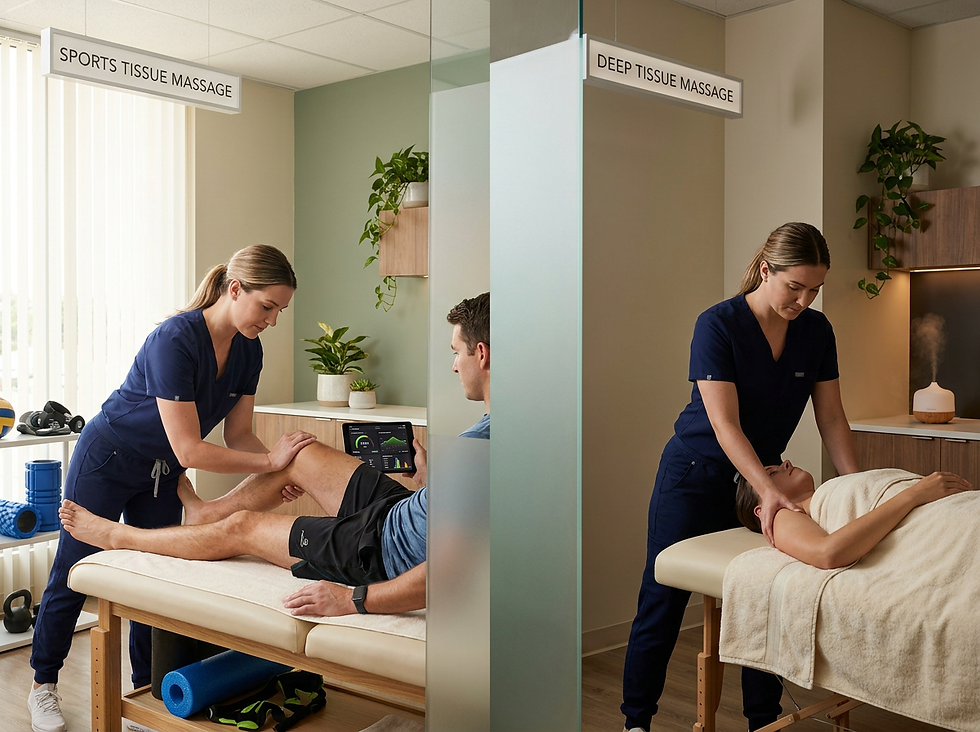
Longer-lasting pain management often includes three connected elements: easing symptoms where possible, improving the way you move, and helping you feel more capable of responding when symptoms flare. This may involve osteopathic treatment, sports or remedial massage, gentle rehabilitation, movement therapy or clinical yoga, depending on your needs and preferences.
There is no virtue in pushing through pain blindly. Equally, avoiding every movement can leave you feeling less confident and more guarded. The right balance depends on the person, the activity and the stage of recovery. A tailored plan can help you identify what is safe and manageable to do now, then progress at a pace that feels achievable.
Movement is information, not a test of toughness
It is understandable to become wary of movements that have hurt before. However, the body often benefits from carefully graded movement rather than complete rest. Gentle, appropriate activity can support mobility, circulation, strength and confidence.
This might be as simple as taking regular breaks from sitting, practising a few targeted movements, changing how you lift or making a gradual return to an activity you enjoy. Small adjustments done consistently are often more useful than ambitious routines that are difficult to sustain.
Your plan should feel practical. If you spend the day on your feet, your approach will look different from someone working from home. If you are training for an event, the goal may be to support recovery while keeping you connected to your sport. If fatigue and stress are part of the picture, doing less for a short time may be the most sensible place to start.
The role of stress and the nervous system
Pain is physical, but it is not experienced by muscles and joints alone. Stress, poor sleep, worry and a constantly busy schedule can increase tension and make discomfort harder to manage. This is not to suggest that pain is “all in your head”. It is an acknowledgement that the brain and nervous system are involved in how safe, settled and comfortable the body feels.
For some people, learning to slow down the stress response can be a meaningful part of their care. Craniosacral therapy, breathing work, restorative movement, hypnotherapy or health coaching may be appropriate supportive options, particularly where tension, sleep disruption or anxiety are making recovery feel more difficult.
The aim is not to remove every stressor from life. It is to give you useful ways to notice when your system is overloaded and create moments of recovery within a normal week. A few minutes of calm breathing before bed, a more supportive pace after a demanding period, or a clearer boundary around work can make a difference over time.
A plan should fit real life
The best pain management plan is rarely the most complicated one. It is the one you understand, can follow and can adapt when life becomes busy.
A useful plan may include hands-on treatment to address areas of restriction or tension, along with simple home movements to maintain progress. It may also include guidance around posture, sleep positions, training load, recovery or workplace habits. You should know why each recommendation has been made and what changes you are looking out for.
Progress is not always a straight line. Some weeks will feel easier than others, particularly after a long journey, an intense work deadline, disrupted sleep or a return to a demanding activity. Rather than viewing a flare-up as failure, it can help to treat it as information. What changed? Which strategies were helpful? Do you need rest, gentle movement, more support or a review of your plan?
This approach can replace the frustrating cycle of doing too much on a good day and then stopping completely after symptoms return. Pacing may sound modest, but it is a valuable skill for building resilience and regaining trust in your body.
When to seek further medical advice
Many everyday aches and pains respond well to a considered, conservative approach. However, some symptoms need prompt medical assessment. Seek urgent advice if pain follows a significant accident, is severe and rapidly worsening, or comes with unexplained weakness, numbness, loss of bladder or bowel control, fever, unexplained weight loss, chest pain or feeling seriously unwell.
It is also sensible to speak with your GP or another appropriate healthcare professional if symptoms are persistent, unusual for you, or affecting your wellbeing despite self-care. Good care includes recognising when a different type of assessment or additional support is needed.
Building confidence for the long term
Pain can make your world feel smaller, especially when it has been present for weeks or months. The goal is not perfection or a life in which you never feel an ache again. It is to help you understand your body better, move with greater freedom and have a dependable plan for the days when discomfort appears.
With patient guidance, appropriate treatment and manageable movement, many people find they can return to the activities that make life feel like theirs again. Start with what matters most to you, take one achievable step, and allow your progress to build from there.


Comments