
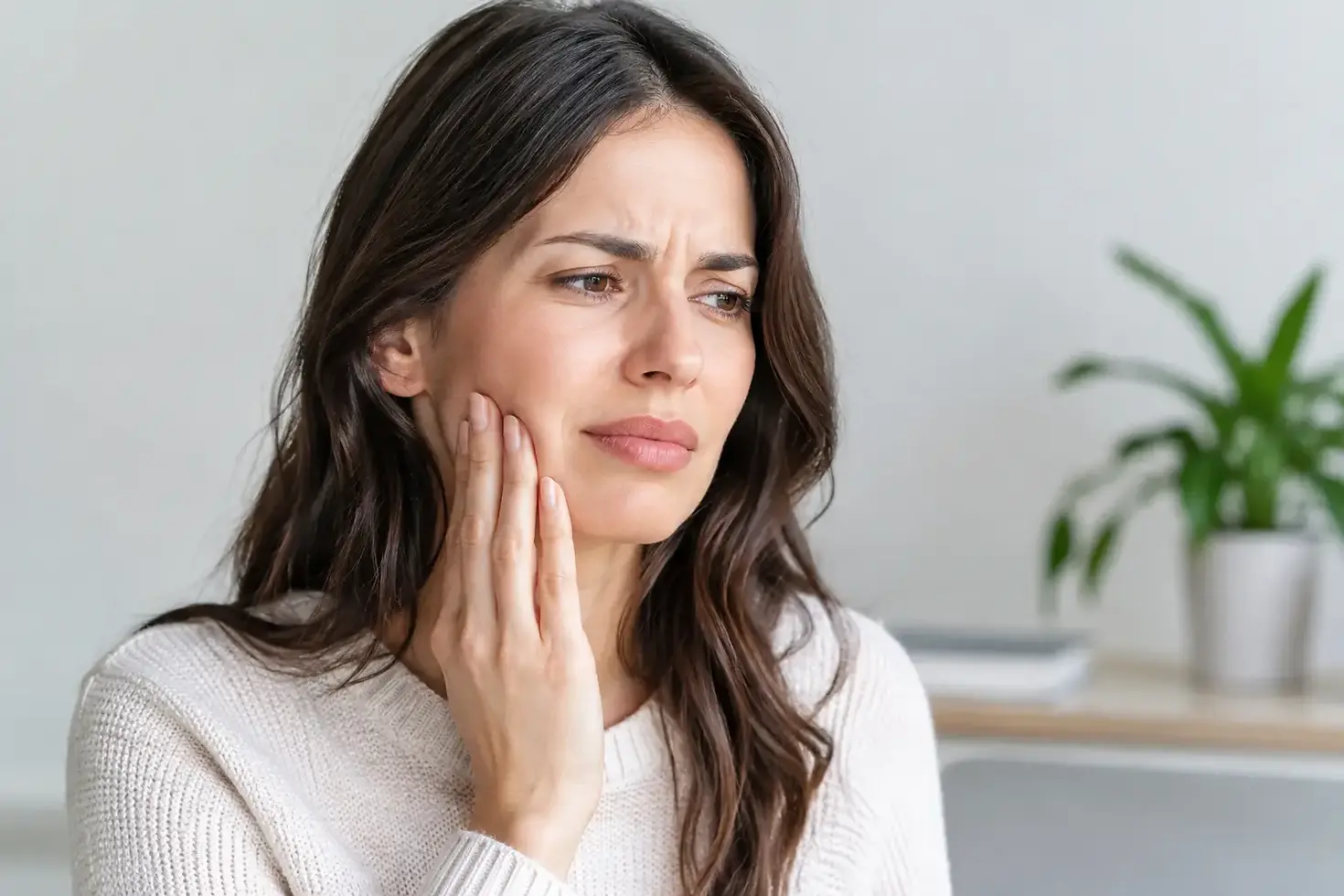
Why Does My Jaw Click? Causes and Next Steps

A click as you chew a crusty roll, yawn in the morning or speak for a long time can be surprisingly distracting. If you are asking, “why does my jaw click?”, you are not alone. Jaw clicking is common, and it is often linked to the way the jaw joint, its small cushioning disc and surrounding muscles are working together. It is not always a sign of something serious, but pain, locking or a change in how your teeth meet are reasons to seek professional advice.
Why does my jaw click?
Your jaw joint is called the temporomandibular joint, or TMJ. You have one on each side of your face, just in front of your ears. It is a busy, highly mobile joint that allows you to open, close, slide and rotate your jaw when you eat, talk and yawn.
Within the joint sits a small disc of cartilage that helps the bones move smoothly. A click or pop may happen when this disc and the joint do not move in perfect synchrony, then briefly slip back into position as you open or close your mouth. The sound may be painless and occasional, or it may occur alongside tightness, aching and reduced movement.
The term temporomandibular disorder, often shortened to TMD, describes a group of jaw-joint and jaw-muscle problems. Clicking can occur with TMD, but a click alone does not confirm a diagnosis. A careful assessment looks at the whole picture: your symptoms, jaw movement, muscle tension, teeth, sleep, posture and daily habits.
Common reasons a jaw may click
Muscle tension and clenching
Many people hold tension in their jaw without realising it. Concentrating at a screen, driving, lifting weights, feeling under pressure or sitting with the head forward can all encourage the teeth to press together and the jaw muscles to work harder than they need to.
Teeth grinding or clenching, especially during sleep, can also overload the joint and its muscles. You may wake with a tired jaw, facial ache, temple headaches or sensitive teeth. Stress does not cause every clicking jaw, but it can increase muscle activity and make an existing jaw problem more noticeable.
Changes in the joint’s movement
Sometimes the disc inside the jaw joint moves slightly forwards or to one side. As the mouth opens, the joint may catch up with it, producing a click. In other cases, the jaw may make a softer grinding or crunching noise, known as crepitus. These sounds have different possible causes, so it is helpful not to assume that every noise means the same thing.
A single painless click that has been present for years may not need active treatment. A new click that is getting louder, more frequent or painful deserves more attention, particularly if it follows an injury or begins to limit eating and speaking.
Everyday habits that overload the jaw
The jaw is designed for regular movement, but it can become irritated by repeated strain. Chewing gum for long periods, biting nails, holding a pen between the teeth, eating very tough foods or taking very large bites can all add to the load. Even frequent wide yawning can aggravate a sensitive joint for a while.
These habits are not necessarily the original cause. They can, however, maintain irritation when the jaw is already under pressure. Small changes often give the joint a chance to settle.
Neck, shoulder and posture factors
The jaw does not work in isolation. Tension through the neck, upper back and shoulders can alter how you hold your head and recruit the muscles around your face and jaw. Long hours at a laptop, a poorly positioned screen or a demanding training routine may contribute to this pattern.
That does not mean posture is the sole explanation for jaw clicking. It does mean that looking beyond the jaw itself can be useful, especially where neck stiffness, headaches or shoulder tension occur alongside the clicking.
Dental and bite-related considerations
A change in how your teeth come together can affect the forces travelling through the jaw. Missing or damaged teeth, recent dental work and an ill-fitting dental appliance may be relevant. A dentist is best placed to assess tooth wear, bite concerns and whether a protective appliance may be appropriate for clenching or grinding.
What you can do when your jaw clicks
If the clicking is painless and your jaw opens normally, a short period of gentle self-care may be all that is needed. Avoid repeatedly testing the click, as opening and closing the jaw to check it can keep the area irritated.
For a week or two, choose softer foods if chewing is uncomfortable and cut food into smaller pieces rather than taking wide bites. Give gum, chewy sweets and nail biting a break. When yawning, lightly support your chin and avoid forcing your mouth fully open.
A useful resting position is simple: let your lips meet gently, keep a small gap between your upper and lower teeth, and rest your tongue lightly against the roof of your mouth behind your front teeth. This reminds the jaw muscles that they do not need to stay switched on all day.
Warmth may help tense muscles feel more comfortable. Try a warm, not hot, flannel against the side of the face for around 10 minutes, then allow the jaw to move gently without stretching into pain. If you notice that stress makes your symptoms worse, regular calming practices, paced breathing and breaks away from screens can support nervous-system regulation as well as muscle relaxation.
Be cautious with online jaw exercises. The right exercise depends on whether your main issue is muscular tension, joint irritation, reduced movement or something else. Aggressive stretching, forcing the jaw open or trying to manipulate it back into place can aggravate symptoms.
When should you seek an assessment for jaw clicking?
Arrange an assessment with an appropriate healthcare professional if clicking comes with pain, repeated headaches, ear-area discomfort, difficulty chewing, jaw fatigue or a feeling that your bite has changed. It is also sensible to seek advice if the jaw catches, locks open or closed, or you cannot open your mouth as far as usual.
Contact a dentist promptly if you have tooth pain, broken teeth, gum swelling or concerns about grinding. Seek urgent medical advice following a facial injury, or if you have significant swelling, fever, trouble swallowing or breathing, numbness, or severe and rapidly worsening pain.
For persistent musculoskeletal symptoms, a practitioner may assess how your jaw, neck, shoulders and movement habits are interacting. At Laura Fishlock Osteopathy, this may include gentle hands-on care where appropriate, alongside practical guidance, movement support and a personalised plan to help reduce strain and restore confidence in everyday movement. Where dental or medical assessment is needed, coordinated care and the right referral matter.
A more helpful way to think about the click
It is understandable to focus on the sound itself, but the more useful question is often how your jaw is functioning. Can you eat comfortably? Is your mouth opening and closing freely? Are you clenching through the day, waking with tension or avoiding foods you enjoy?
A painless, stable click may simply be something to monitor. A jaw that is sore, restricted or affecting sleep and daily life needs a more individual approach. Paying attention early, without panicking, can help you make calmer choices and regain control of the tension that may be keeping your jaw uncomfortable.
Your jaw works hard every day. Treating it with a little more space, gentler movement and the right support when symptoms persist can make meals, conversations and mornings feel more comfortable again.



Comments